
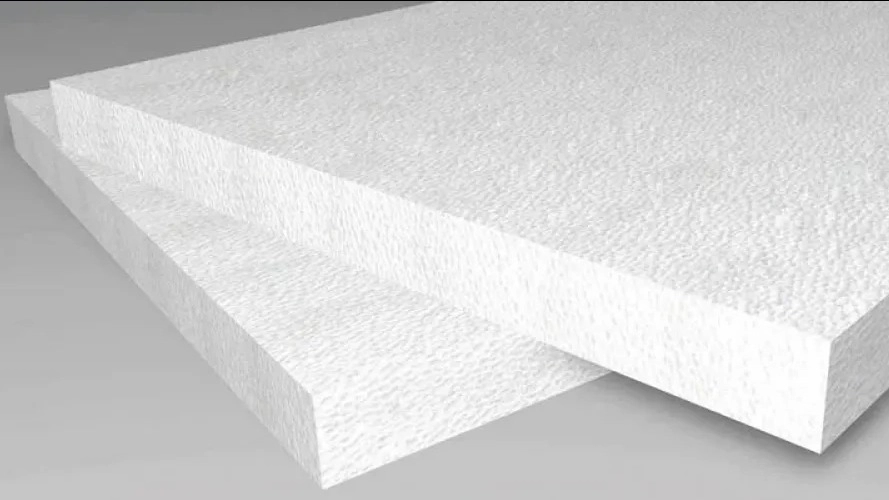
What is Unolite?
Unolite, which is also known as polystyrene foam, is a type of structural material that is basically composed of polystyrene and water vapor. The process of making unolith is also known as "foaming", where some gas is put into the material to form small bubbles within the structure of unolith. These bubbles are filled with empty space inside the material and make this material lighter. Due to its features such as lightness, heat and sound insulation, moisture resistance and fire resistance, Yunolit is used in various industries such as construction, packaging and thermal and sound insulation.
Yonolite types
Compressed Unolite is the first type of building Unolite that is produced in a large mold and with a very high weight. This type of unolite has a high resistance against various factors due to the compression of its primary materials. Also, compact unolith is easily combined with other insulations and is more efficient than other types of unolith. Ceiling Unolit is the second type of Unolit, which is used in the form of rectangular molds for building roofs of residential houses. If customers want to know the exact weight of the roof monolith, they can find out its weight using density.
Wall Unolite is the third type of Unolite, which is used as a foam wall covering and decorative wall foam. These types of unoliths have desirable properties that include sound insulation, anti-shock, high strength and resistance, and washability. For this reason, the use of these monoliths in the walls of sports halls is very common. Chromite beam unolith is a unolith that has different dimensions and sizes. This type of unolith can be placed in the space between the beams and increase the strength and resistance of the beams significantly.
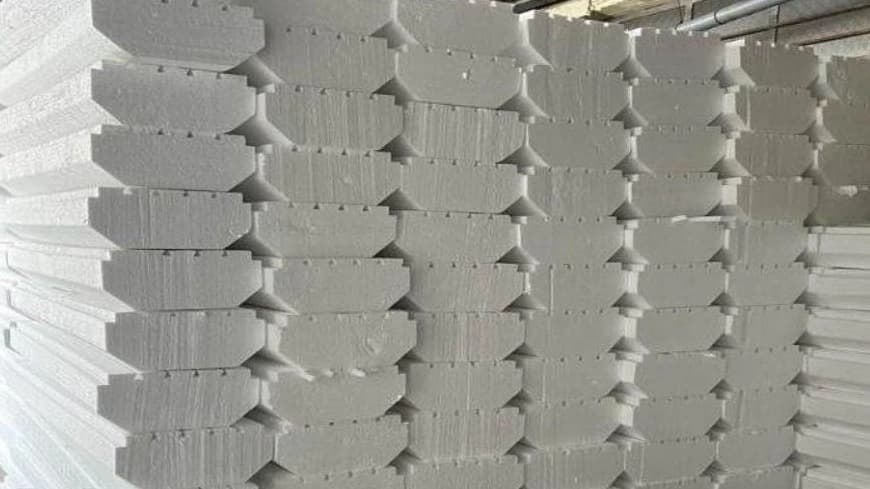
Usage of Unolite in Construction
In the construction industry, Unolit plays an important role. Unolith is an inert substance and therefore does not have any chemical reaction. This feature makes it easy to use in the construction industry. The cells of Unolite are very compact and because of this, when used as the main material, they absorb little water and decay does not occur. Unilite is durable, strong and light weight and can be used as insulation systems for facades, walls, ceilings and floors in buildings. Also, Unolite is used as a floating material in the construction of marinas and pontoons and as a lightweight filler in road and railway constructions. This is in addition to the fact that Unolites are available for packaging and are used in various industries, but the main uses of Unolite are in the construction industry.
Usage of refrigerators and refrigerators
Ionolite is a type of thermal insulation material that is used as cold insulation in the construction of cold stores and industrial refrigerators. As we mentioned, this material is composed of polystyrene, which is very suitable for use in these parts due to its high thermal insulation properties, lightness and moisture resistance. Unolit is placed as an insulating layer between the walls of the cold room and the refrigerator and has the ability to maintain a stable temperature inside the space. By using Unolit, the transfer of heat from the external environment into the cold room is effectively prevented and the internal temperature is kept within the desired range. Also, Unolit acts as a sound insulator and prevents the spread of unwanted sounds outside the cold storage.
Usage of Unolite on Sponge Boards
One of the main uses of Unolite in the foam core of sponge boards is thermal and sound insulation. Due to the cellular structure of Unolith, this material has high insulation properties against heat and sound. The Unolite foam core in the foam boards significantly reduces heat and sound transmission, which in turn helps to improve the thermal and acoustic quality of the environment. In addition, Yunolit plays an important role in reducing the weight and increasing the strength of sponge boards due to its lightness and compatibility with other building materials. Yunolite foam core makes sponge boards lighter and more portable, while maintaining the necessary strength and hardness to withstand different loads. In short, Unolit as a foam core in sponge boards, in addition to thermal and sound insulation, improves the quality of the environment, reduces weight and increases the strength of these boards.
Other applications of monolith
Since Yunolit is light in weight due to its high resistance, it can be used in making sliders, all kinds of models and perforated boards. Due to its high strength and anti-impact properties, Yunolit is also used in children's seats and bicycle helmets. In addition, Unoliths have considerable resistance to compression and are therefore suitable for stacking packaged goods. It goes without saying that this product is also used in planting seedlings in gardens to improve the soil.
The benefits of using ololite
Lightweight weight
The first advantage that can be mentioned about Unolit is its lightness. As a building material, Yunolit is light in weight, which is one of its obvious advantages. Due to its lightweight structure, Unolit can significantly reduce the load on the building. This feature makes building structures using Unilith lighter and cheaper. Unolit's light weight also brings other advantages, such as reducing static and dynamic loads on structures, reducing seismic force during earthquakes, ease of transportation and installation, and reducing construction and maintenance costs.
Moisture -resistant
One of the other advantages of Unolit is its resistance to moisture. This feature makes Unolit suitable as a building material for use in high humidity conditions. Due to the cellular structure of Unolith, water cannot easily penetrate into its cells, and this increases its resistance to moisture. In addition, Yunolite has anti-fungal and anti-rotting properties, which makes it suitable for use as a suitable alternative to other building materials in humid environments prone to fungus and rot. These features make Unolit known as a stable and reliable building material against moisture and adverse environmental conditions, such as rainy weather or areas with high humidity.
Recycling capability
Yonolite is a building material that is produced from recycled plastic, and its recyclability is one of its obvious advantages. By using Unilite, we can directly use plastic waste and protect the renewable nature of natural resources. Recycling of unolith means collecting, refining and recycling plastic products, which ultimately leads to the re-production of unolith.
Resistant and longevity
Unolith is produced from recycled plastic, which has a very high resistance against biological and chemical agents. The long life of Unolith means that it can be used against environmental factors such as sunlight, humidity, heat and atmospheric changes without worrying about its deterioration and decomposition. Also, the high durability of Unolith means that it retains its original shape and characteristics over time. This important feature makes Unolit act as a stable and reliable building material against various pressures and shocks. With the use of Unilite, it is possible to produce buildings and products that will be permanently available without the need for frequent repairs.
Easy carrying
Due to the light weight and solid structure of Unolit, transportation of Unolit is very easy and economical. This feature allows you to easily use Unolit in various construction projects and move it to the desired location. Also, Unilite's easy portability allows you to quickly move it and use it in different places if needed.
Pressure -resistant
Yonolite is a building material that is widely used in the construction industry due to its many advantages. One of the obvious advantages of Unolit is its resistance to pressure. Due to the cell structure and unique microstructure of Unolith, this material is able to withstand strong pressures. The closed cells in the unilith structure act as a three-dimensional structure and give the material high compressive strength. This feature makes Unolit able to withstand external pressures caused by loading, shocks and temperature changes.